






Walk down the supplement aisle, and you'll find plenty of products labeled for women. Multivitamins, iron tablets, magnesium capsules, omega-3 supplements—the choices can feel endless.
But does being a woman mean you need all of them?
Not necessarily.
Your nutritional needs can vary depending on your age, diet, menstrual health, and stage of life. Someone planning a pregnancy may have different priorities from someone navigating menopause or following a vegan diet.
Before adding another bottle to your routine, it's worth understanding which nutrients commonly appear in women's supplements, what they do, and when you might need to pay closer attention to them.
Nutrients Worth Knowing About
From iron to omega-3s, here's what these nutrients do and where you can find them.

1. Iron — Especially Relevant for Women Who Menstruate
Ever wondered why iron is often included in women's multivitamins?
Iron helps your body produce hemoglobin, the protein in red blood cells that carries oxygen throughout your body. Without enough iron, your body may struggle to produce healthy red blood cells.
Women who menstruate generally need more iron than men of the same age, partly because iron is lost through menstrual bleeding.
Heavy periods can make maintaining adequate iron stores even more challenging.
For women ages 19–50 who are not pregnant or breastfeeding, the recommended daily iron intake is 18 mg. For women ages 51 and older, it's generally 8 mg. Pregnancy and breastfeeding have different requirements.
Where can you get iron?
Lean meat, poultry, seafood, beans, lentils, spinach, and fortified cereals all contribute.
Plant-based iron is generally absorbed less efficiently than iron from animal sources. Pairing beans or lentils with vitamin C-rich foods, such as bell peppers or citrus fruit, can help improve absorption.
If you're frequently tired or suspect low iron, don't assume a supplement is the answer. A healthcare professional can help determine whether testing is appropriate. Taking too much supplemental iron can be harmful, so it's important to understand your needs before using a high-dose product.
2. Calcium and Vitamin D — Supporting Bone Health
Calcium and vitamin D are often discussed together, and there's a good reason for that.
Calcium helps build and maintain bones, while vitamin D helps your body absorb calcium.
Bone health becomes especially important as women get older. After menopause, declining estrogen levels can contribute to faster bone loss, making adequate calcium and vitamin D intake worth paying attention to.
You can get calcium from milk, yogurt, fortified plant-based drinks, calcium-set tofu, and certain leafy greens.
Vitamin D is found in foods such as fatty fish, fortified milk, and some fortified cereals. Your body can also produce vitamin D when your skin is exposed to sunlight, although the amount varies depending on several factors.
If you're not getting much calcium from food or may be at risk of low vitamin D, a healthcare professional can help you decide whether testing or supplements are appropriate. Taking more than you need won't necessarily offer extra benefits.
3. Folate — Important Before and During Pregnancy
Folate, also known as vitamin B9, helps your body make DNA and supports normal cell division.
It's particularly important during early pregnancy, when the baby's brain and spinal cord are developing.
Here's a detail worth knowing: folic acid matters before pregnancy, not just after a positive pregnancy test.
The CDC recommends 400 micrograms (mcg) of folic acid daily for anyone who could become pregnant, even if pregnancy isn't currently planned. This helps reduce the risk of neural tube defects, which develop very early in pregnancy.
Folate occurs naturally in leafy greens, beans, asparagus, and citrus fruits. Folic acid is a form of vitamin B9 commonly used in fortified foods and supplements.
If you're planning a pregnancy, check whether your supplement provides the recommended amount of folic acid. A regular women's multivitamin may not cover all the nutritional needs of pregnancy, so it's worth discussing prenatal nutrition with a healthcare professional.

4. Vitamin B12 — Worth Checking on Plant-Based Diets
You might not think much about vitamin B12 when planning your meals, but your body relies on it every day.
Vitamin B12 helps your body make healthy red blood cells, which carry oxygen throughout your body. It also supports your nervous system and helps your body release energy from the food you eat.
You can find B12 in animal-derived foods such as fish, meat, eggs, and dairy products.
But what if you rarely eat those foods?
Women following vegan diets need a reliable source of vitamin B12 through fortified foods or supplements. Some vegetarians may also need to pay closer attention to their intake.
Age can make a difference, too.
As people get older, absorbing vitamin B12 naturally present in food can become more difficult. That's why adults over 50 are generally encouraged to get most of their B12 from fortified foods or supplements.
However, taking extra B12 won't necessarily give you more energy. If you're already getting enough, there's little evidence that additional B12 will provide an energy boost.
5. Magnesium — A Mineral for Everyday Function
You may have heard about magnesium in connection with sleep or relaxation. But there's much more to this mineral than bedtime routines.
Your body uses magnesium to keep muscles and nerves working properly, produce energy, and maintain healthy bones.
The recommended daily magnesium intake for most adult women is 310–320 mg, including magnesium from food and supplements. Requirements can be higher during pregnancy.
The good news? Magnesium is found in plenty of everyday foods, including pumpkin seeds, almonds, black beans, spinach, and whole grains.
Even simple choices, like adding nuts to your morning oatmeal or having beans for lunch, can help you get more magnesium through your diet.
Although magnesium supplements are widely available, research on their benefits for insomnia is still limited. High supplemental doses can also cause digestive side effects.
If you're shopping for a magnesium supplement, check the amount of elemental magnesium on the Supplement Facts label. That's the actual amount of magnesium the product provides, not the weight of the entire magnesium compound.
6. Omega-3 Fatty Acids — Healthy Fats Worth Knowing About
Omega-3s are often associated with heart health, but these healthy fats do more than that. They're also important for normal brain function and help form the membranes around your body's cells.
There are three main types worth knowing about: ALA, EPA, and DHA.
You'll find ALA in chia seeds, flaxseeds, and walnuts, while fatty fish such as salmon and sardines provide EPA and DHA. Your body can convert some ALA into EPA and DHA, but only in limited amounts.
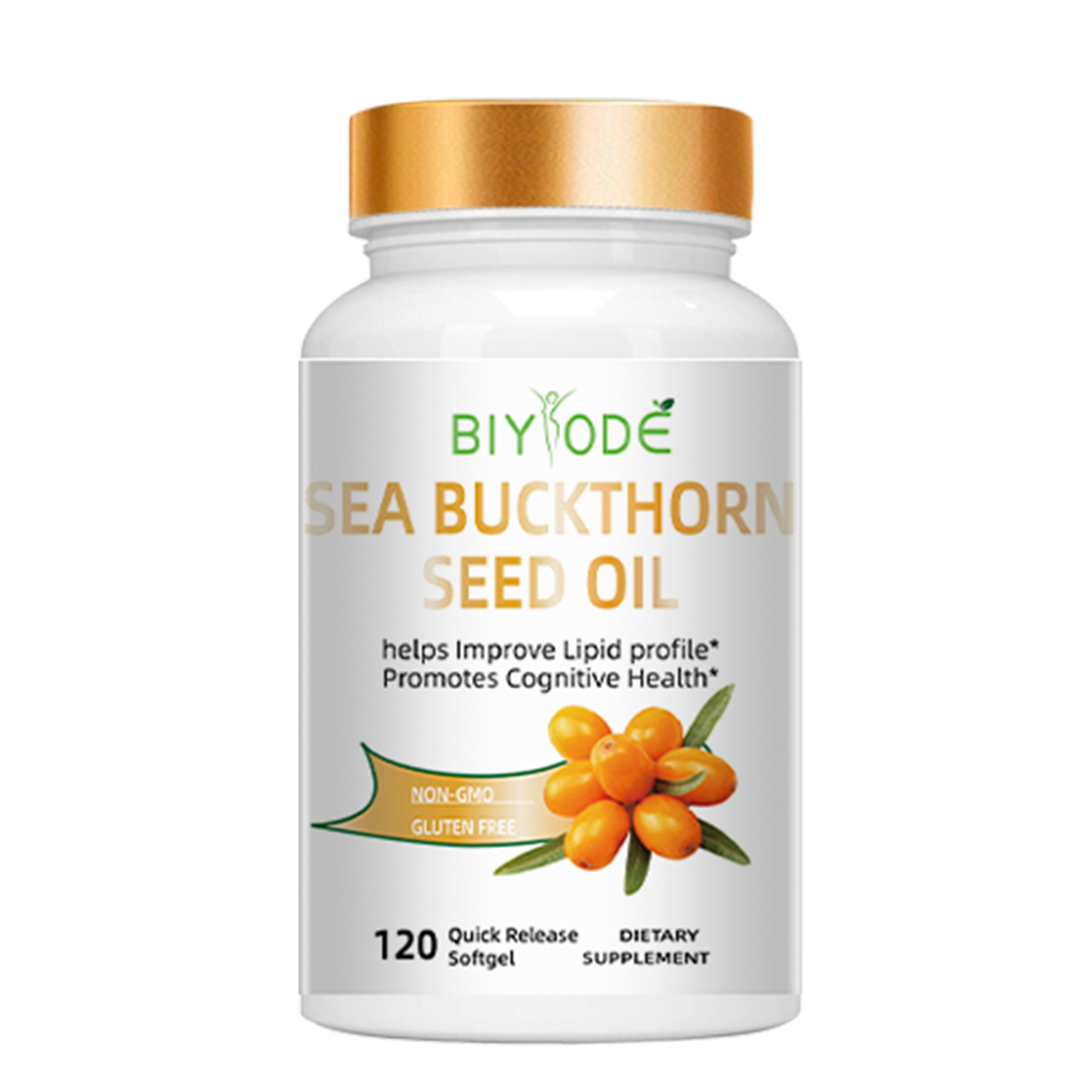
If you rarely eat fish, it may be worth looking at how much omega-3 you're getting from your diet. Fish oil and algae-based supplements can provide EPA and DHA, although not everyone needs them.
During pregnancy, DHA is especially important for a baby's developing brain and eyes. Choosing lower-mercury fish can help provide omega-3s while limiting mercury exposure. If you're considering a DHA supplement during pregnancy, discuss it with your prenatal care provider.
How to Choose Women's Supplements Without Overdoing It
Knowing which nutrients matter is one thing. Deciding what belongs in your daily routine is another.
So before adding another supplement to your routine, ask yourself a few questions.

Are you filling a real nutritional gap?
Start with your usual meals. If you regularly avoid certain food groups, have heavy menstrual bleeding, or have been told you're low in a nutrient, your needs may be different from someone eating a varied diet.
Have you checked the Supplement Facts panel?
Look at the amount per serving, not just the ingredient name on the front label.
Pay attention to the serving size, Daily Value (%DV), and whether the product contains nutrients you're already getting from other supplements.
Could you be doubling up?
Taking a multivitamin alongside separate iron, vitamin D, or other supplements can sometimes push your total intake higher than intended.
More isn't always better, especially for nutrients with established upper intake limits.
Would a multivitamin or a targeted supplement make more sense?
A multivitamin can be a convenient option for people who have trouble meeting several nutrient needs through diet alone. If you're low in one particular nutrient, a targeted supplement may make more sense.
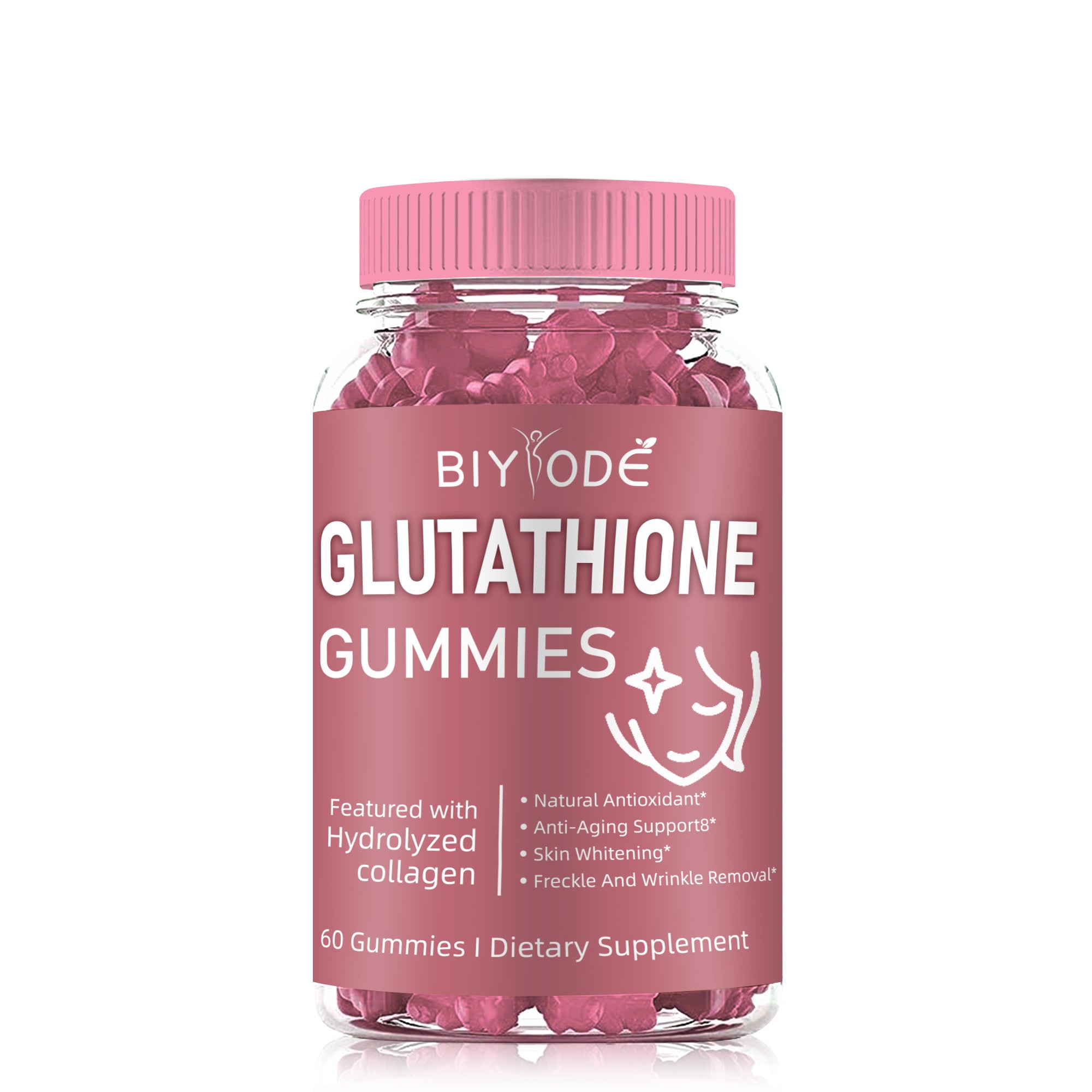
Format matters, too. Tablets and capsules work well for some people, while others prefer gummies. If you enjoy chewable supplements, products like BIYODE Women's Multivitamin Gummies offer another format to consider.
Whatever format you choose, compare the actual nutrient amounts rather than assuming every women's multivitamin offers the same coverage.
Final Thoughts
The women's supplement aisle offers plenty of choices, but you don't need a different bottle for every nutrient.
What matters most is understanding your own needs. Pay attention to what you eat, consider where you might be falling short, and choose supplements for a reason.
The right routine isn't necessarily the one with the most products. It's the one that makes sense for you.

