


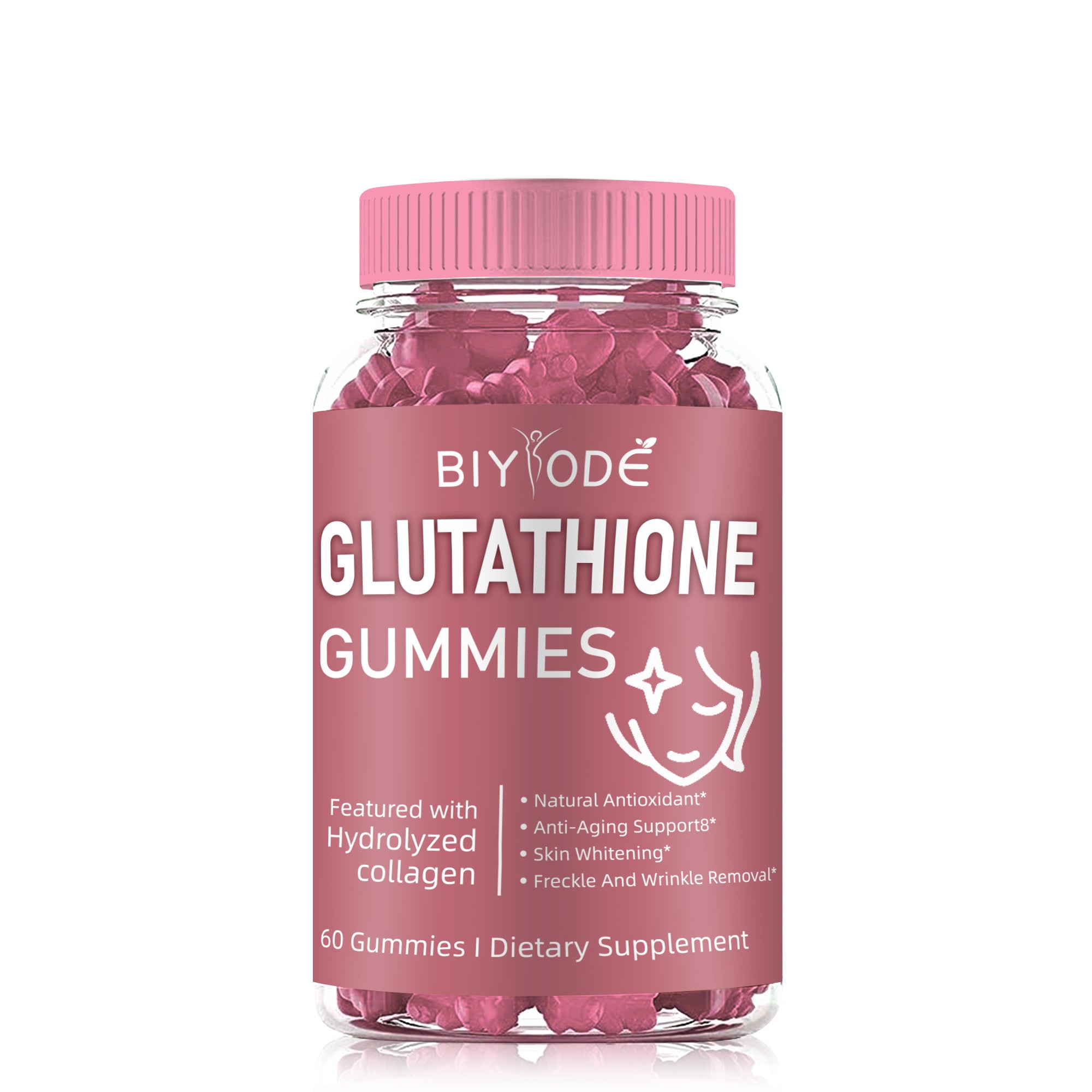


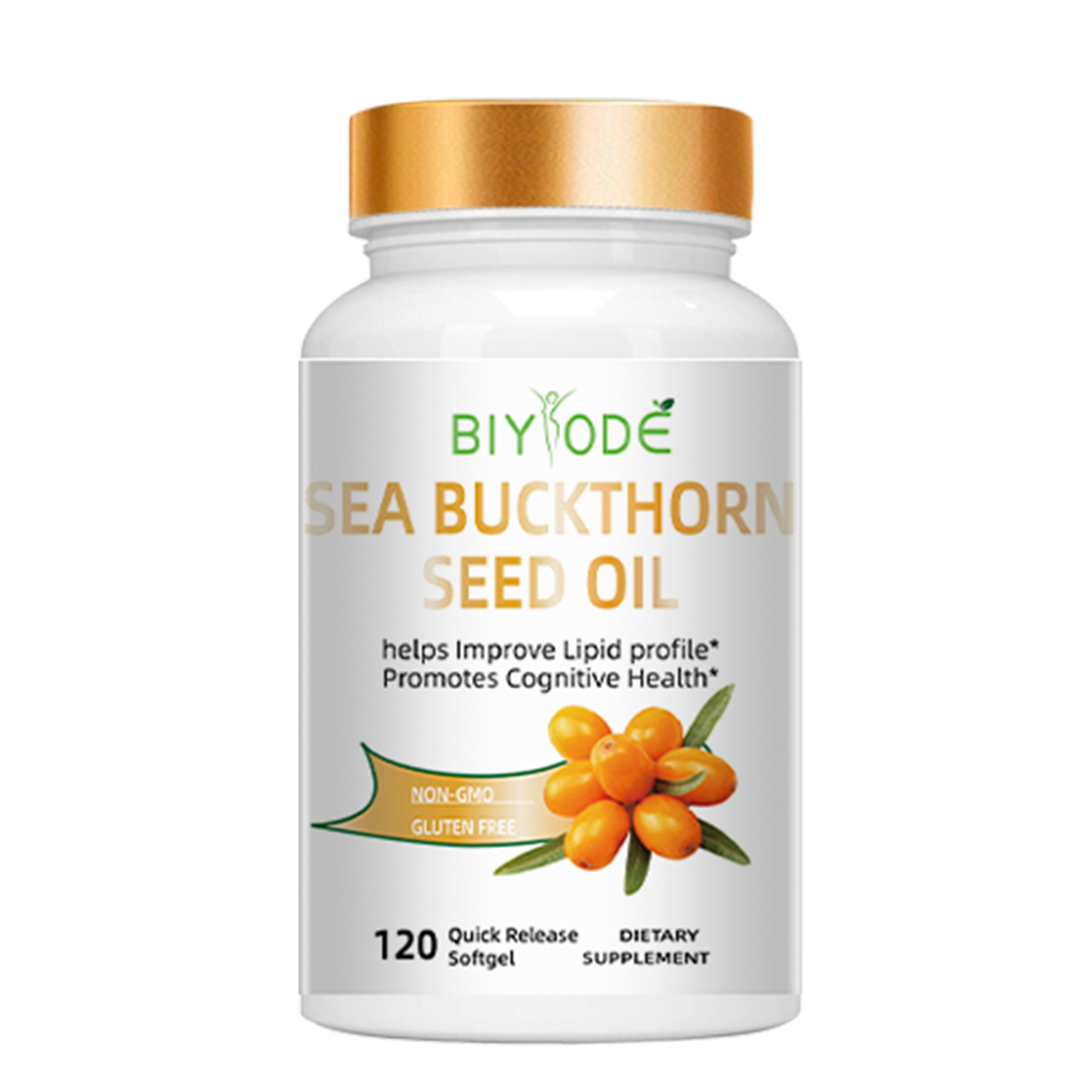


Creatine used to be something you'd scoop into a shaker bottle before heading to the gym. Now, you can get it in a fruity, chewable gummy instead.
No mixing, no measuring, and no chalky texture to deal with. Sounds convenient, right?
But when it comes to creatine gummies vs. powder, does the easier option work just as well?
The short answer is that both can provide creatine, but they're not necessarily equal in practice. Most creatine research has focused on creatine monohydrate, typically taken as a powder, while gummies offer a more convenient way to take it. How much creatine you're actually getting matters more than whether you chew it or drink it.
Let's look at the differences that are worth considering before you buy.
Creatine Gummies vs. Powder: What's the Difference?

Both products are designed to deliver creatine, a compound your muscles use to help produce energy during short bursts of intense activity.
The main difference is how you take it.
Creatine powder is usually mixed into water, juice, or a shake. Gummies contain creatine in a ready-to-eat, chewable form, often with added flavors and sweeteners.
Here's how they compare:
|
Feature |
Creatine Gummies |
Creatine Powder |
|
How you take it |
Chew and swallow |
Mix into a drink |
|
Taste |
Usually fruit-flavored |
Unflavored or flavored |
|
Preparation |
No mixing required |
Requires a drink and measuring |
|
Creatine per serving |
Varies; may require several gummies |
Often provides several grams per scoop |
|
Added ingredients |
May contain sugars, sweeteners, and gelling agents |
Plain versions may contain only creatine |
|
Cost per gram |
Often higher |
Usually lower |
|
Research |
Less direct research on finished gummy products |
Commonly used in creatine monohydrate studies |
At first glance, the choice might seem to come down to convenience versus cost.
But there's a more important question underneath that comparison: do both forms actually deliver the same results?
Do Creatine Gummies Work as Well as Powder?
Creatine is one of the most extensively studied sports supplements. Research shows that creatine monohydrate can help improve strength and performance during repeated bursts of high-intensity exercise, such as weightlifting and sprinting.
Most of that evidence comes from studies using creatine monohydrate, commonly supplied as powder.
Many gummies also contain creatine monohydrate. If a gummy delivers the stated amount of intact creatine, there's a reasonable basis to expect it to contribute to your creatine intake.
However, that doesn't mean every gummy has been proven to perform exactly like the powder used in clinical studies.
There are two things to keep in mind.
First, the actual dose matters.
A product containing 1 gram of creatine per serving isn't equivalent to one providing 5 grams, even if both are labeled as creatine supplements.
Second, product quality matters.
Creatine stability can be affected by formulation and storage conditions, including temperature and the surrounding ingredients. Since gummies contain moisture and other components, manufacturers need to pay particular attention to stability throughout the product's shelf life.
That doesn't mean gummies are ineffective. It means the finished product needs to deliver the amount of creatine stated on its label.
So rather than assuming all creatine gummies work as well as powder—or that none of them do—it's more useful to look at the dose and the quality of the individual product.
How Does Creatine Dosage Compare?

One practical difference between creatine gummies and powder is how much you need to take to get the same amount of creatine.
According to the National Institutes of Health, many creatine studies use a daily maintenance dose of around 3–5 grams.
For example, a scoop of creatine powder might provide 5 grams, while a gummy contains 1 gram per piece. In that case, you'd need five gummies to get the same amount of creatine as one scoop of powder.
That doesn't mean you should automatically take five gummies. Serving sizes vary, and it's important to follow the product directions.
Pay attention to whether the amount listed on the packaging refers to one gummy or a full serving. A product advertised as containing 3 grams of creatine might require several gummies to reach that amount.
The Supplement Facts panel will give you a clearer picture of what you're actually getting.
And once you know how much creatine each product provides, it's easier to decide which format makes more sense for your routine.
Are Creatine Gummies More Convenient Than Powder?
Imagine finishing work and heading straight to the gym.
If you're using powder, you might need to carry a tub or a premeasured portion, find water, and mix a drink. That's not particularly difficult, but it does involve a little preparation.
With gummies, you can take your serving without a shaker bottle.
That convenience can be appealing when you're traveling, commuting, or simply don't enjoy drinking another supplement.
Taste is another consideration.
Some people like the simplicity of unflavored creatine powder, especially when they can mix it into a drink they already enjoy. Others dislike the texture or find that powder doesn't dissolve completely.
Gummies offer a different experience, usually with a sweet, fruity flavor.
Creatine is generally taken consistently, including on rest days. So choosing a format you don't mind using regularly can make a practical difference.
Convenience, though, is only one part of the buying decision. The ingredient list and long-term cost deserve attention, too.
What About Sugar, Cost, and Product Quality?
A good creatine supplement should fit your routine, but it should also make sense when you look beyond the flavor.
Check the Extra Ingredients
Plain creatine monohydrate powder may contain just one ingredient: creatine monohydrate.
Gummies usually need additional ingredients to create their texture and taste. Depending on the product, these may include sugar, sweeteners, fruit flavors, pectin, or gelatin.
That doesn't automatically make gummies a poor choice.
But if you're watching your added sugar intake or avoiding certain ingredients, take a closer look at the ingredient list and nutrition information.
Compare the Cost per Gram
The price on the bottle doesn't tell you everything.
A tub of powder may cost more upfront than a bottle of gummies, yet provide considerably more total creatine.
To compare the cost per gram, divide the product price by the total amount of creatine listed on the label.
For example:
|
Product |
Total Creatine |
Price |
Cost per Gram |
|
Example powder |
300 g |
$30 |
$0.10 |
|
Example gummies |
60 g |
$30 |
$0.50 |
These are hypothetical prices used to demonstrate the calculation, not current product prices.
If you plan to take creatine regularly, that difference can add up over time.
Look Beyond the Label Claims
Price and convenience aren't the only things worth comparing. You also want to know whether the product delivers the amount of creatine listed on its label.
When possible, look for credible independent testing information or a certificate of analysis covering the finished product.
It's also worth checking the expiration date and storage instructions, particularly for gummies.
After all, a convenient supplement isn't much of a bargain if it doesn't deliver the amount you're expecting.
Which Should You Choose: Creatine Gummies or Powder?
After comparing the dose, convenience, cost, and ingredients, the better choice comes down to what matters most to you.
Creatine gummies may be a good fit if:
l You dislike mixing powder into drinks.
l You want something portable for travel or busy days.
l You prefer a chewable supplement over a drink.
For example, BIYODE Creatine Gummies offer a lemon-flavored creatine monohydrate option for people who prefer gummies.

Creatine powder may be a better fit if:
l You want a straightforward way to measure several grams of creatine.
l You're looking for a lower cost per gram.
l You prefer a product with fewer added ingredients.
l You prefer the format used in much of the established creatine research.
There's no need to choose gummies simply because they're newer, or powder simply because it's more traditional.
Whichever you choose, check the creatine content per serving, review the ingredients, and look for credible product quality information. The better option is one that meets your needs and fits comfortably into your routine.
Final Thoughts
When comparing creatine gummies vs. powder, the biggest differences are convenience, cost, and how easily you can get a suitable dose.
Powder is often the more economical choice and has been widely used in creatine research. Gummies can be easier to carry and more enjoyable to take, provided the product delivers the creatine amount it claims.
The best option isn't necessarily the newest or the cheapest. It's the one that fits your needs without compromising on what you're actually getting.
Research Sources
Healthline — Creatine Gummies or Creatine Powder: Which May Work Best for You?

