






Two supplement factories. Both claim to follow GMP standards. Both offer competitive prices and similar production timelines.
So how do you know which one to trust?
For supplement brands, choosing a manufacturer involves more than comparing quotations or checking whether a factory displays a GMP certificate.
Having a certificate is one thing. Knowing what happens inside the factory is another.
How are raw materials checked? What happens if something goes wrong during production? And how does the factory make sure every batch meets the same quality standards?
These are the questions that matter when choosing a manufacturing partner.
What Is GMP Manufacturing in the Supplement Industry?
GMP stands for Good Manufacturing Practice. In simple terms, it's a set of requirements and practices that help manufacturers produce supplements consistently and under controlled conditions.
But GMP manufacturing involves more than keeping a factory clean. It covers everything from checking raw materials and maintaining equipment to documenting production and testing finished products.
In the U.S., dietary supplement manufacturers must follow the FDA's current GMP regulations under 21 CFR Part 111. Requirements vary by market.
For supplement brands, GMP provides an important starting point when choosing a manufacturer. But even factories following the same requirements can differ in how they manage quality, communicate problems, and handle production challenges.
So what should brands look at beyond GMP?
Why GMP Alone Doesn't Tell the Whole Quality Story
Two supplement manufacturers may follow the same GMP requirements, but that doesn't mean they're equally suited to your product.
Beyond GMP, there are three things worth checking before choosing a manufacturing partner: relevant certifications, quality control practices, and actual production capabilities.

1. Check Whether the Certifications Match Your Product Needs
A factory may list several certifications on its website. But which ones actually matter for your supplement brand?
That depends on what you're manufacturing and where you plan to sell it.
It's worth checking whether the factory's quality systems can meet the relevant product requirements, especially if you're developing a supplement for multiple markets.
Different standards and certification systems can help you evaluate different areas:
- ISO 22000: Check which facilities and operations are included in the manufacturer's certification. Ask which activities and facilities are covered by its certified management system.
- HACCP: Find out how the factory identifies potential food safety hazards and what controls it uses to manage them during production.
- BRCGS: Check whether your customer or retail partner requires a recognized food safety certification, if your customer or retail partner requires a recognized food safety certification.
- HALAL: If you're developing products for halal-conscious consumers, confirm that the certification covers the relevant facility, ingredients, and manufacturing activities.
One thing worth remembering: a valid certificate doesn't automatically mean every product or production line is covered. Instead of relying on certification logos shown on a supplier's website, buyers should ask to see the actual certification documents.
When reviewing them, check three things:
- Validity: Is the certificate current, and can its status be verified with the issuing body?
- Scope: Does it cover the manufacturing site and activities relevant to your product?
- Market relevance: Does it meet any specific requirements from your target market, retailer, or distribution partner?
For example, Jiabeikang, a China-based supplement OEM/ODM manufacturer, lists GMP, ISO 22000, HACCP, BRCGS, and HALAL among its manufacturing credentials.
The goal isn't to find the factory with the most certificates. It's to find one with the right credentials for what you actually plan to manufacture.
2. Find Out How Quality Control Works in Practice
Imagine you've approved a sample of vitamin gummies. The taste, texture, and packaging are exactly what you want.
But how can you be confident that the bulk order will meet the same specifications?
This is where a manufacturer's quality control process becomes important.
Before placing an order, find out how the factory checks ingredients, monitors production, and evaluates finished products. More importantly, ask what evidence it can provide for your specific formula.
There are three areas worth checking:
- Raw materials: Ask how ingredient identity and quality are verified before production. Can the manufacturer provide relevant supplier documentation and testing records?
- Production monitoring: Find out which product specifications are checked during manufacturing and how the factory handles results that fall outside acceptable limits.
- Finished products: Ask which tests apply to your formula and whether you can review a batch-specific certificate of analysis (COA) or other relevant quality records.
It's also worth asking what happens when a batch fails to meet specifications. Does the factory investigate the issue? How is the affected product handled? Who decides whether the batch can be released?
A manufacturer that can explain these procedures and support its answers with relevant records gives buyers a clearer basis for evaluating quality.
The goal isn't just to confirm that testing takes place. It's to understand what is tested, when it's checked, and how the results affect your order.
3. Make Sure the Factory Can Manufacture Your Product
A manufacturer may offer gummies, capsules, powders, and several other supplement formats. But a long product list doesn't necessarily mean it's the right fit for your brand.
Start by asking whether the factory has manufactured products similar to yours. If you're developing vitamin gummies, for example, can it work with your ingredients, adjust the formula, and provide samples before bulk production?
Your order requirements matter too. Confirm the available packaging options, minimum order quantities, and whether the proposed production setup can accommodate your product.
And if you're planning to expand into capsules or powders later, find out whether the manufacturer has the equipment and experience to support those formats.
The best manufacturing partner isn't necessarily the one that offers the most products. It's the one that can reliably produce the products your brand actually needs.

Conclusion: Choosing the Right GMP Manufacturing Partner
Choosing a supplement manufacturer isn't just about getting your first batch produced. It's about finding a partner that can support your next order, your next product, and your brand's growth.
GMP manufacturing provides an important foundation, but certificates alone won't tell you everything. Before making a decision, look at the manufacturer's relevant certifications, quality control practices, and experience with products like yours.
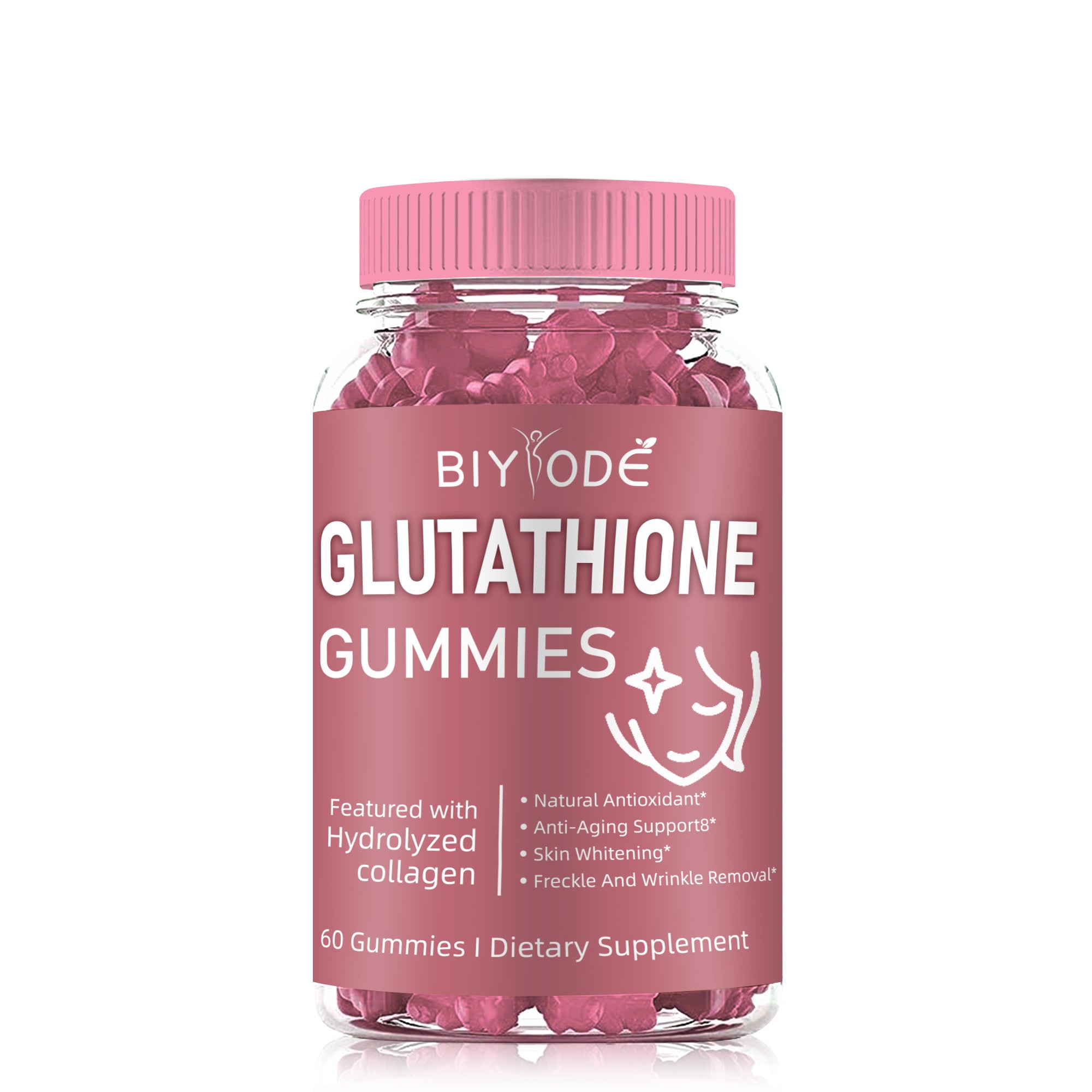
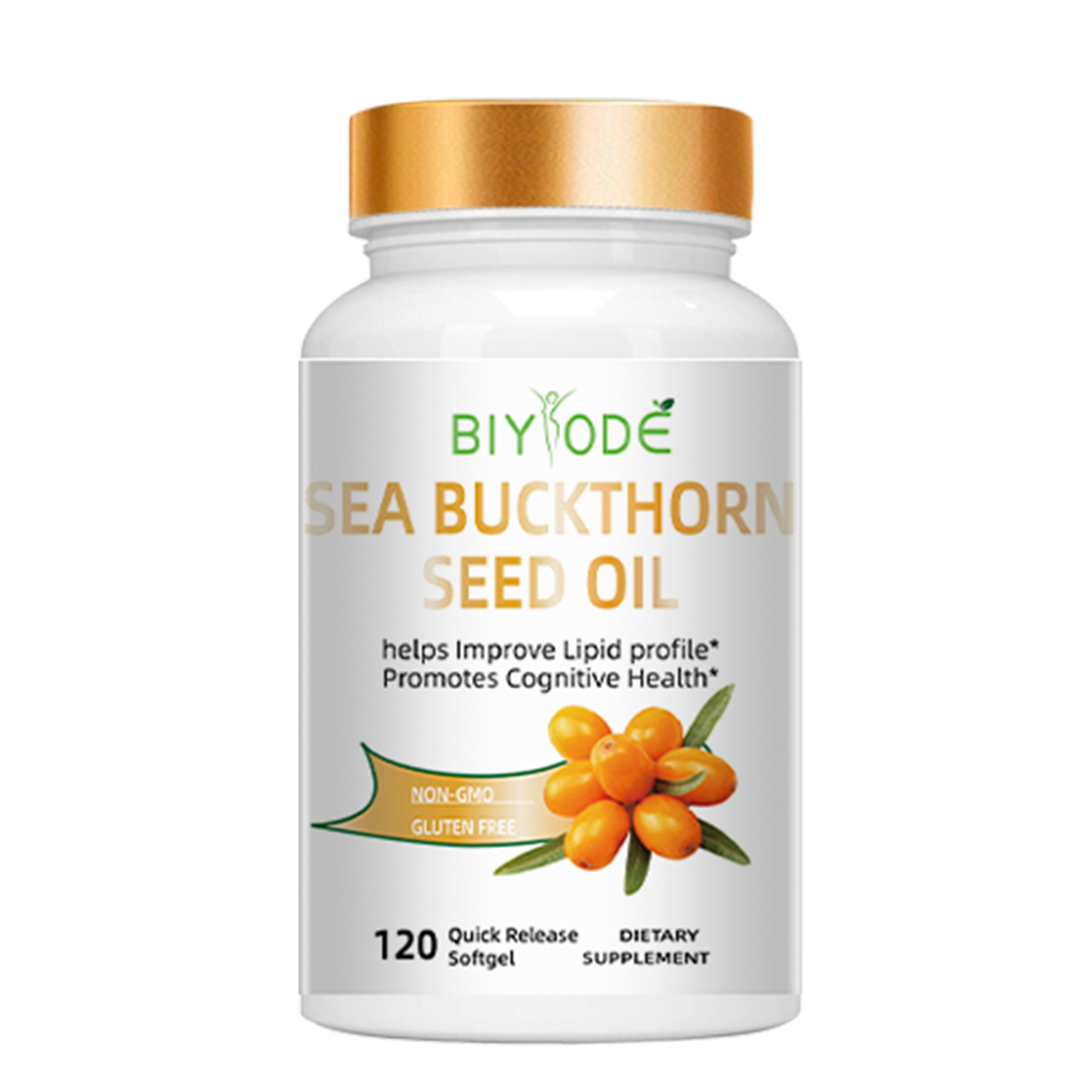
For brands exploring supplement OEM/ODM manufacturing, Jiabeikang, a supplement manufacturing partner of BIYODE, offers custom formulation, private label packaging, and production across multiple supplement formats.
If you're planning a new supplement product, explore Jiabeikang's manufacturing services and discuss your formulation and production requirements to see whether it's the right fit.
A good manufacturing partnership starts with asking the right questions—not simply checking the right boxes.

